
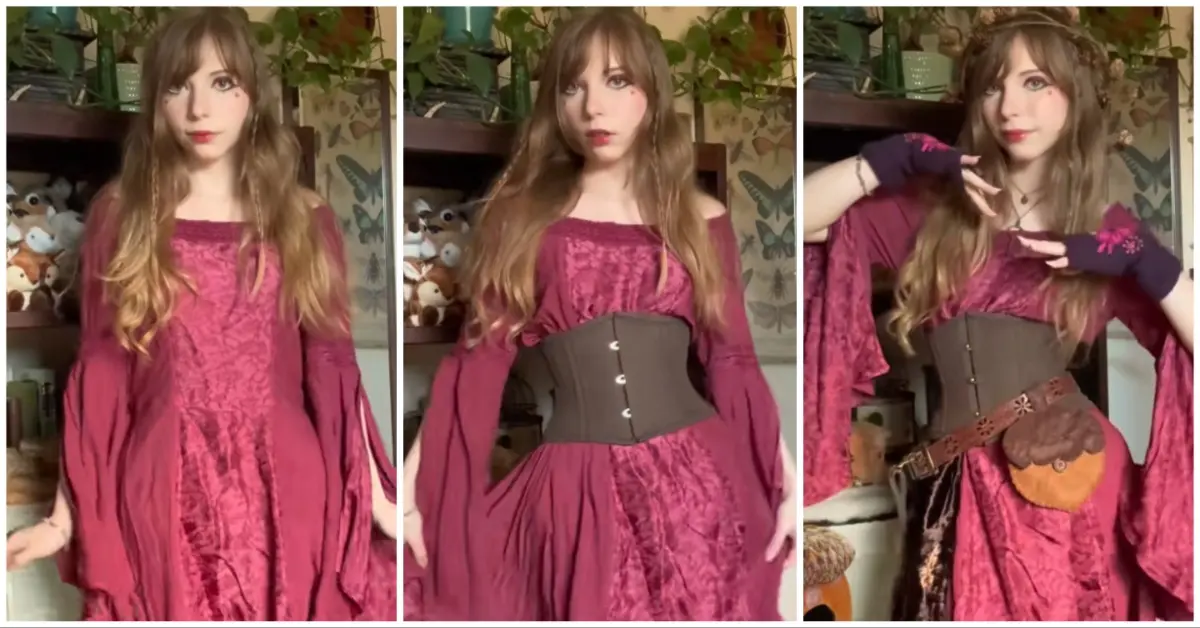
HolyClothing Meme Controversy became a major discussion across Facebook, Reddit, TikTok, and meme culture communities after the fantasy fashion brand HolyClothing posted and later deleted a meme that many users considered insulting toward one of its own customers. The backlash quickly spread beyond the original post and evolved into a wider debate about brand behavior, inclusivity, AI generated marketing content and online community trust.
What Is HolyClothing?
HolyClothing is a fashion company known for Renaissance fair, Viking, Celtic, Wiccan, and boho-inspired outfits. The brand has built a strong online audience over the years, especially among Ren Faire communities and fantasy-fashion fans.
How the Controversy Started
The controversy began in May 2026 when HolyClothing posted a meme on Facebook comparing a real attendee at a Renaissance fair to a heavily muscular fantasy-style character resembling Conan the Barbarian. The meme joked about how the man “thought he looked” versus how he “actually looked.”
Many social media users immediately criticized the post for publicly mocking someone’s appearance. Critics argued that the meme was especially inappropriate because the company markets itself as body-positive and community-friendly.
The original post was later deleted, but screenshots spread rapidly across Reddit and other platforms, increasing public attention.
Public Backlash Grew Quickly
As screenshots circulated online, many users accused the company of:
- Mocking its own customers
- Contradicting its inclusive branding
- Using questionable AI-generated promotional content
- Mishandling the public apology
- Showing poor social media judgment
A Reddit thread discussing the incident received heavy engagement, with commenters describing the meme as cruel, embarrassing and tone-deaf. Several users also questioned why a company focused on fantasy fashion would insult people participating in Renaissance fair culture.
Some commenters additionally criticized the company’s growing use of AI-looking images in marketing posts, although those discussions became separate from the original meme incident.
Also Read: Guy Releases Insects in Class Meme Origin and Meaning
The Apology
On May 12, 2026, HolyClothing issued a public apology on Facebook. The company described the meme as “tasteless” and admitted it should not have been posted. Reports indicate the apology was directed primarily toward the customer’s wife, which became another point of criticism online.
The company also reportedly claimed that an external “SEO partner” was involved in some controversial social media content that contributed to the backlash.
While some users appreciated the apology, others believed it failed to fully address the issue or take complete accountability.
Also Read: Kasane Teto Meme Origin and Meaning
| Info | Details |
|---|---|
| Company | HolyClothing |
| Industry | Fantasy, Renaissance, Viking, and Boho Fashion |
| Controversy Date | May 2026 |
| Main Issue | Posting a meme that mocked a customer’s appearance |
| Platform | |
| Why People Were Upset | Users felt the meme was cruel and contradicted the brand’s body-positive image |
| Community Reaction | Backlash spread across Reddit, TikTok, and meme forums |
| Additional Criticism | Concerns about AI-generated content and social media management |
| Company Response | HolyClothing deleted the meme and posted a public apology |
| Public Opinion on Apology | Mixed reactions; some accepted it while others criticized it |
| Key Lesson | Brands face fast backlash when social media content appears disrespectful to customers |
Why the Story Went Viral
The controversy spread quickly because it combined several internet-sensitive topics at once:
- Brand accountability on social media
- Public shaming and body-image discussions
- AI-generated marketing concerns
- Customer trust within niche communities
- Meme culture spreading screenshots rapidly
The incident also gained traction because Renaissance fair communities are highly active online and closely connected across Facebook groups, Reddit communities, TikTok, and cosplay spaces.
Also Read: Penguins of Madagascar Finding Gold Meme Origin and Meaning
Main Takeaways
The HolyClothing controversy became less about a single meme and more about how online communities expect brands to behave. Many users felt the company crossed a line by turning a real person into the subject of a public joke, especially within a community built around creativity, inclusivity, and self-expression.
The backlash also shows how quickly deleted content can continue spreading online through screenshots, reposts, and discussion threads. Even after the original post disappeared, the controversy continued growing across multiple platforms.
HolyClothing meme controversy refers to an online backlash that started after the fantasy-fashion company HolyClothing posted a meme that many users believed mocked a Renaissance fair attendee’s appearance. The post quickly spread across social media through screenshots and reposts.
Many people felt the meme was disrespectful and inappropriate because it appeared to make fun of a real person. Critics also argued that the post conflicted with the company’s body-positive and inclusive image.
The meme was reportedly shared on HolyClothing’s official Facebook page before being deleted after backlash increased.
Yes. After negative reactions began spreading online, the company removed the original meme post. However, screenshots continued circulating across Reddit and other platforms.