
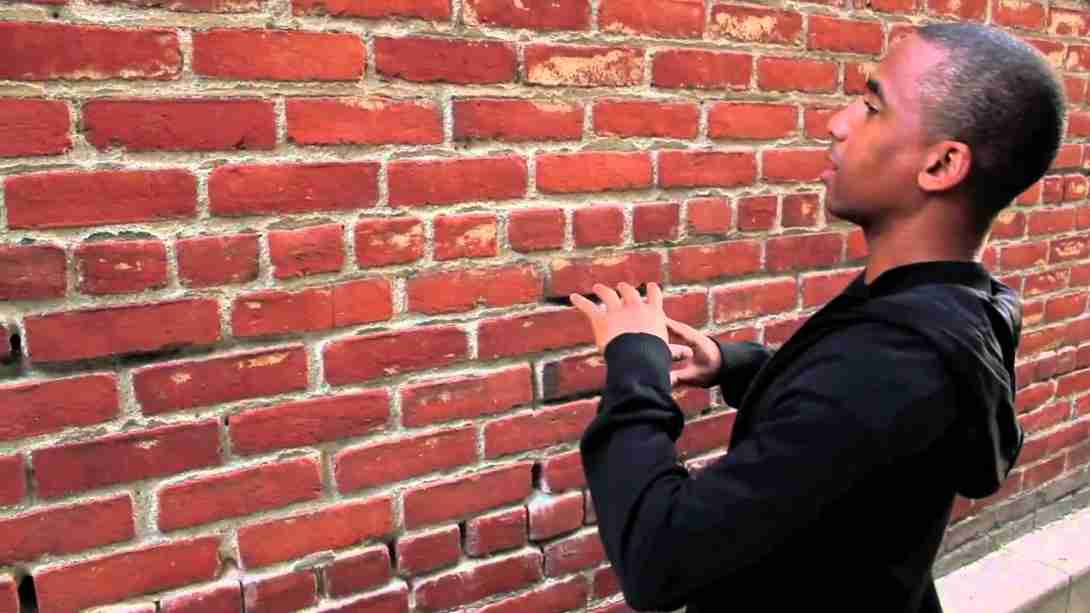
Talking to a Brick Wall meme is simple: a person appears to be speaking, arguing, or explaining something to a brick wall. The joke is instantly recognizable because most people have experienced conversations that feel exactly like that.
The meme is used to describe situations where someone is trying to explain a point, share facts, or have a discussion with a person who refuses to listen. Instead of a real conversation, it feels as though the speaker is addressing a wall that cannot respond or understand.
What Does the Meme Mean?
The phrase “talking to a brick wall” has existed for decades in English-speaking culture. It describes a frustrating conversation where one side feels completely ignored. The meme turns that expression into a visual joke by literally showing someone talking to a wall.
Online users often pair the image with captions such as:
- Me explaining the rules to my younger brother.
- Me trying to convince my parents that I am right.
- Teachers explaining instructions before an exam.
- Customer service workers dealing with difficult customers.
The humor comes from the feeling that no matter how much effort is put into the conversation, nothing changes.
Origin of the Talking to a Brick Wall Meme
The expression “talking to a brick wall” is much older than the internet and has been used for generations to describe one-sided conversations. The meme version gained popularity when social media users began sharing images and short videos that visually represented the phrase.
A widely shared version shows a man standing in front of a brick wall while appearing to have a serious discussion. As users added their own captions, the image quickly became a reaction meme used across social media platforms.
The format spread because it could be applied to almost any situation where communication breaks down, from family arguments to online debates.
Also Read: Jew Jew Jew Meme Meaning, and Origin
Why the Meme Became Popular
Several reasons helped the meme go viral:
- It is easy to understand without explanation.
- Almost everyone has experienced a conversation where they felt ignored.
- The image works in school, workplace, family, and internet-related jokes.
- Users can easily create their own captions.
- It reflects the frustration common in online discussions.
Because the joke is based on a universal experience, it remains relevant even as other internet trends come and go.
Common Uses of the Meme
- Online arguments where nobody changes their opinion.
- Explaining technology to someone who refuses to learn.
- Sports fans defending their favorite teams.
- Students asking for assignment extensions.
- Friends repeatedly giving advice that gets ignored.
- Workplace discussions where nobody listens to suggestions.
The meme succeeds because viewers immediately recognize the situation being described.
Also Read: Please Stop Meme Meaning and Origin
| Topic | Details |
|---|---|
| Meme Name | Talking to a Brick Wall |
| Meaning | A conversation where the other person refuses to listen, understand, or respond meaningfully. |
| Based On | The long-standing expression “talking to a brick wall.” |
| Typical Format | A person speaking to a brick wall, usually paired with a humorous caption. |
| Popular Platforms | Instagram, TikTok, X, Reddit, Pinterest, and meme-sharing pages. |
| Main Theme | Frustration, communication problems, and one-sided conversations. |
| Why It Went Viral | Relatable humor, simple format, and flexibility across different situations. |
| Current Status | One of the most recognizable reaction memes used online. |
The phrase means having a frustrating conversation where your words seem to have no effect because the other person is ignoring you or unwilling to engage.
The meme is based on the long-standing English expression “talking to a brick wall.” It became popular online when users started sharing images and videos that visually represented the phrase.
People use the meme to joke about one-sided conversations, ignored advice, online arguments, workplace misunderstandings, and other frustrating communication experiences.