
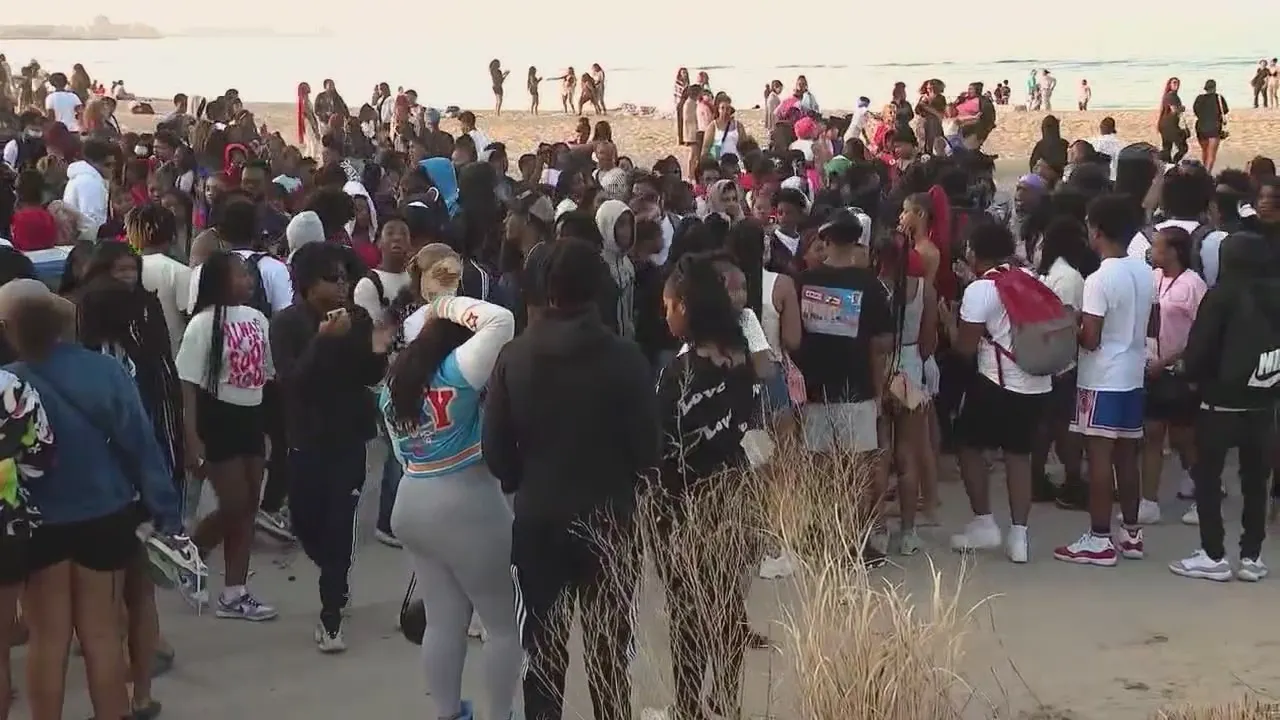
The term Teen Takeover refers to large gatherings of teenagers in public places such as parks, malls, pools, downtown areas, or stores that are usually organized through social media platforms like TikTok, Instagram, Snapchat, and X. The phrase became widely discussed online after videos showing chaotic scenes, vandalism, fights, police responses, and massive crowds started going viral across social media in the mid-2020s.
The trend is not a traditional meme template with reaction images or jokes. Instead, it is an internet-driven social phenomenon that became memeified through viral clips, commentary videos, reposts, and political discourse online.
What Is a Teen Takeover?
A teen takeover usually involves a large group of teenagers gathering at a public location after online coordination. These gatherings can sometimes become disruptive, leading to fights, property damage, overcrowding, or police intervention. Social media plays a major role in spreading meetup locations and encouraging attendance.
Many viral clips associated with the trend show:
- Teens swarming malls or parks
- People jumping on cars
- Public fights and vandalism
- Police helicopters and crowd control
- Viral livestreams and TikTok uploads
The phenomenon gained additional attention because videos from these incidents spread extremely quickly online, often generating millions of views.
Origin of the Trend
The exact origin is unclear, but similar incidents reportedly date back to at least 2022. One early widely discussed case involved chaos at Universal Orlando Resort after a large group of juveniles gathered and panic spread due to fights in a parking area.
The phrase “Teen Takeover” itself became more recognizable online in 2023 after local news reports from Chicago described teenagers gathering in neighborhoods and causing disturbances. One widely shared report from WGN News covered a large crowd in Lake View, Chicago, where teens were filmed jumping on vehicles and damaging property.
Experts interviewed in early reports suggested several reasons behind the trend:
- Desire for viral attention
- Influence of TikTok culture
- Lack of safe social spaces for teenagers
- Group behavior amplified by online trends
How Social Media Helped the Trend Spread
TikTok became one of the biggest drivers of teen takeover culture. Users posted meetup announcements, flyers, countdowns, and videos from events. Some videos gained millions of views before gatherings even occurred.
One example highlighted by Know Your Meme involved a TikTok post advertising a Walmart takeover event in Erie, Pennsylvania. The promotional post reportedly gained over 2 million views online.
As more clips circulated, the phrase evolved into a broader internet discussion topic. Some users treated the events as entertainment or youth culture, while others criticized the gatherings because of violence, vandalism, and safety concerns.
Viral Incidents That Boosted Attention
Several high-profile incidents helped the phrase trend online:
Chicago Teen Takeovers
Videos from Chicago became some of the earliest major viral examples. News reports showed large crowds disrupting neighborhoods and damaging cars.
Glen Ellyn Pool Incident
A “teen takeover” at a public pool in Illinois reportedly forced the business to close early after crowds became disorderly.
Tampa, Florida Incident (2026)
One of the most viral incidents occurred at Curtis Hixon Waterfront Park in May 2026. Videos showing police intervention and large crowds spread rapidly across X and TikTok. Reports stated that more than 20 people were arrested.
Also Read: Happy Birthday Daniel Meme Origin and Meaning
Why the Topic Became a Meme
Although the events are real-world incidents, internet culture transformed “Teen Takeover” into a meme-like discussion topic through:
- Reaction memes
- Commentary videos
- Political posts
- Viral captions
- News reposts
- Mockery and satire online
Some viral posts focused on the chaotic behavior, while others criticized parenting, city policies, or social media influence.
The trend also overlaps with broader internet phenomena where online communities rapidly organize offline events through viral posts.
Also Read: Millennial vs Gen Z Marketing Trend Origin and Meaning
| Info | Details |
|---|---|
| Name | Teen Takeover |
| Type | Internet-driven social phenomenon / viral trend |
| Main Platforms | TikTok, X (Twitter), Instagram, Snapchat |
| Early Popularity | 2023 onward |
| Main Activity | Large gatherings of teenagers in public places |
| Common Locations | Malls, parks, pools, downtown areas, stores |
| How It Spreads | Social media posts, flyers, meetup videos |
| Reasons Mentioned | Going viral, socializing, internet culture |
| Common Issues | Fights, vandalism, police response, overcrowding |
| Major Viral Example | Tampa Curtis Hixon Park incident (2026) |
| Related Trends | Street takeovers, TikTok cults, online meetups |
Public Reactions and Controversy
Teen takeovers sparked major debate online and offline. Critics argued that the gatherings endangered public safety and damaged businesses. Some cities responded with increased police presence, curfews, or stricter rules at malls and parks.
Others argued that the trend reflects a lack of recreational spaces and social opportunities for teenagers. Some experts connected the behavior to the search for attention, belonging, and online visibility.
Also Read: It’s Like Watching the Mona Lisa Being Painted Meme Explained
Connection to Other “Takeover” Trends
The word takeover has appeared in many online trends before. Examples include:
- Street takeovers involving cars and stunts
- Profile picture takeovers on TikTok
- Fan community “raids”
- Meme culture events coordinated online
However, Teen Takeover specifically refers to large youth gatherings in public spaces.
It is more of a viral social phenomenon than a traditional meme format. The term became popular online through viral videos, reactions, commentary posts, and news coverage.
The exact origin is unclear, but the phrase gained major online attention after incidents in cities like Chicago during 2023. Similar gatherings were reported even earlier.
The videos often contain chaotic scenes, large crowds, police responses, fights, or unexpected events that quickly attract views, reposts, and reactions online.