
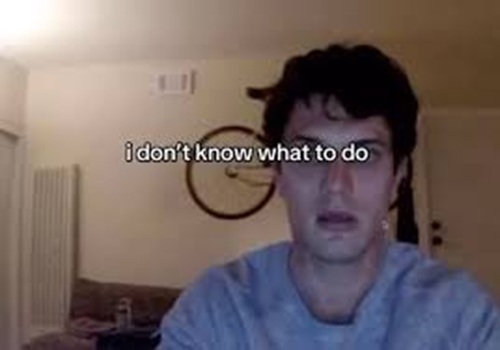
I’m Not Doing This, I’ve Just Realized I Don’t Have To meme is a viral internet phrase that captures a relatable moment of sudden self-awareness—when someone realizes they are not obligated to continue a task, situation, or argument.
What Is the Meme?
This meme typically features a caption or video where a person abruptly decides to stop doing something after realizing they have the freedom to opt out. It reflects a mix of humor, empowerment, and mild rebellion against unnecessary effort or pressure.
The phrase is often used in:
- Everyday frustrations
- Online arguments
- Work or study situations
- Social obligations
Origin of the Meme
The meme gained traction in April 2026, primarily through short-form video platforms like TikTok. It is associated with a viral clip uploaded by Phillip Hamilton, which helped popularize the format.
Although similar sentiments existed earlier in meme culture, this specific phrasing became widely recognizable due to its concise and relatable wording.
Also Read: Sus Meme Meaning and Origin Explained
Meaning and Interpretation
At its core, the meme represents:
- Personal agency: realizing you can choose not to participate
- Humor in avoidance: turning quitting into a comedic moment
- Modern burnout culture: rejecting unnecessary stress
This aligns with broader internet humor trends where users express feelings of confusion, stress, or refusal through relatable content.
| Info | Details |
|---|---|
| Meme Name | I’m Not Doing This, I’ve Just Realized I Don’t Have To |
| Origin Date | April 2026 |
| Origin Platform | TikTok |
| Creator | Phillip Hamilton |
| Meme Type | Reaction / Relatable Humor |
| Main Theme | Realizing you can opt out of a situation |
| Common Uses | Arguments, tasks, social situations |
| Key Appeal | Relatability, simplicity, humor |
| Cultural Meaning | Personal boundaries and freedom of choice |
How the Meme Is Used?
The meme is highly flexible and appears in multiple formats across the internet. In text memes, users overlay the phrase on relatable situations, such as realizing mid-argument that they don’t actually have to continue.
In video clips, creators act out everyday scenarios where they suddenly stop what they’re doing after this moment of realization, adding a humorous twist. It is also widely used as reaction content, where people respond to drama, difficult tasks, or awkward situations by implying they are choosing to disengage entirely.
Also Read: Tracksuit Mark Gooning and Screaming Meme and Origin Explained
Why It Went Viral
Several factors contributed to its popularity:
Relatability: Everyone has faced situations they wish they could exit
Simplicity: Short, clear, and instantly understandable
Timing: Fits modern conversations about boundaries and mental health
Adaptability: Works in text, video, and reactions
It expresses a sudden realization that you are not obligated to continue a situation, often shown in a humorous or relatable way.
The meme gained popularity in April 2026, mainly on TikTok through a viral video that introduced the phrase.
It is used in text memes, short videos, and reaction posts to show disengagement from arguments, tasks, or awkward situations.