
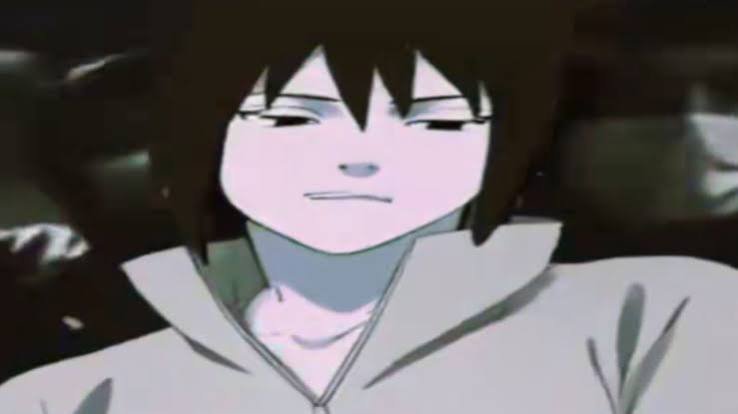
Mandem Style is a viral meme trend built around a drill-style parody of PSY’s Gangnam Style. The trend became widely noticed online in September and October 2026, especially through TikTok edits featuring Sasuke Uchiha from Naruto doing a simple shoulder-shrugging movement to the song.
At first glance, the meme looks like another random anime edit. The joke, however, comes from the strange combination of a familiar Gangnam Style parody, UK and Caribbean-influenced slang, drill music, and clips of anime characters moving in sync with the beat. That combination helped the sound move beyond the original song and become an editable meme format.
What Does Mandem Style Mean?
Mandem is slang used to refer to a group of men, particularly friends or one’s male social group. The word is strongly associated with Caribbean English and has also become common in British slang.
In the song, the phrase “Mandem Style” is used as a playful replacement for “Gangnam Style.” The exact phrase that became strongly associated with the meme is “ching dat mandem style.”
The phrase is not really meant to describe a specific dance, fashion style, or meal. A large part of the humor comes from treating the phrase as though it has some deeper meaning when the meme is mostly built around the sound, timing, and absurdity of the edits.
Where Did the Mandem Style Song Come From?
The song existed well before the 2026 meme trend. Musician and YouTuber Luke Day uploaded a track called Mandem Style on May 21, 2024.
The track is essentially a drill parody of PSY’s worldwide hit Gangnam Style. Instead of copying the original song’s lyrics, it uses altered lyrics and repeatedly plays with the “Mandem Style” phrase.
The original upload had collected more than 112,000 views over roughly two years before the later meme wave brought the sound back into wider attention.
Also Read: Its Over Meme Meaning and Origin
| Information | Details |
|---|---|
| Meme name | Mandem Style |
| Song creator | Luke Day |
| Original release | May 21, 2024 |
| Song type | Drill parody/remix of Gangnam Style |
| Original platform | YouTube |
| Main viral platform | TikTok |
| Important phrase | “Ching dat mandem style” |
| Meaning of “mandem” | A group of men or male friends |
| Major viral character | Sasuke Uchiha from Naruto |
| Major meme period | September–October 2026 |
| Meme formats | Anime edits, dance videos, reenactments and parody videos |
How Did Mandem Style Become a Meme?
The big change happened in September 2026. On September 26, TikTok user @youthflaw posted an edit using footage of Sasuke Uchiha from Naruto. The clip was timed to the Mandem Style audio, with Sasuke’s shoulder movement matching the rhythm.
The edit quickly became the version that other creators copied.
That is an important part of the meme’s story. The song itself was already more than two years old, but the Sasuke edit gave people a simple visual template that could be reused with other characters, clips and jokes.
Also Read: Black Cat Clapping Meme Meaning and Origin
Why Is Sasuke Used in the Meme?
Sasuke works particularly well because of the movement used in the original edit. His casual shrug and expression create a funny contrast with the dramatic image of the Naruto character.
Instead of presenting Sasuke as the serious and powerful character that fans normally associate with him, the edit turns the moment into a casual reaction to the song.
The movement is also easy to recognize and easy for other creators to copy. That made the clip useful as a meme template rather than just a one-time anime edit.
How the Trend Spread on TikTok
After the first Sasuke edit gained attention, other TikTok creators began making their own versions. On September 29, 2026, another Sasuke edit from @ackerknowledge reportedly received more than 650,000 views in six days.
The trend then started moving beyond simple anime edits.
On October 1, creator @ilikeuncrider posted an accuracy reenactment based on the Sasuke video. That video also attracted hundreds of thousands of views. The format shows how the meme had already developed from an audio trend into something people could physically recreate.
Another variation appeared on October 2, when TikTok creator @moteaeats posted a comedy video pretending to try a “ching dat mandem style” meal. The joke was that no such meal actually existed. The video turned the nonsensical phrase into a fake food concept and reportedly passed 800,000 views in three days.
What Makes the Meme Funny?
The humor of Mandem Style is less about a single punchline and more about the unexpected combination of things.
- A very recognizable Gangnam Style parody is paired with drill music.
- The phrase “mandem style” sounds as if it should describe something specific, but it does not.
- Sasuke’s serious anime image is placed against a goofy, catchy sound.
- The shoulder movement gives creators an easy visual cue to copy.
- Creators can apply the same sound to almost any character, person or situation.
That last point is important. Good short-form memes often work because the original joke can be removed and replaced with a new one. Mandem Style became useful in exactly that way.
Also Read: Al Buqqi Meme Meaning and Origin
Mandem Style and Gangnam Style
The connection to Gangnam Style is not just in the name. The Mandem Style track directly uses the idea of PSY’s song as its starting point and changes it into a drill parody.
This gives the meme an interesting internet-culture path: a globally famous Korean pop song from 2012 becomes the basis for a 2024 drill parody, which then becomes the soundtrack for a 2026 anime meme.
That kind of remixing is common online. A song does not have to become popular immediately. Sometimes an older sound sits around for years before a particular edit gives people a reason to use it.
Is Mandem Style a Song or a Meme?
It is both, but they are not exactly the same thing.
Mandem Style originally refers to Luke Day’s 2024 parody song. The Mandem Style meme refers to the later collection of edits, reenactments and jokes built around that audio.
This distinction matters because the song existed for more than two years before the Sasuke trend became popular. The 2026 meme did not create the song; it gave the song a new life online.
Mandem Style Meme Explained in Simple Terms
If you see a TikTok using the phrase “ching dat mandem style” with an anime character, especially Sasuke, the joke is usually very simple: the character is being edited to look like they are casually performing or reacting to the Mandem Style sound.
The meme does not have one fixed meaning. Its appeal comes from the sound and the visual timing. Creators can change the character, situation or joke while keeping the same audio.
Also Read: The Not Laughing Cow Meme Meaning and Origin
Why Did the Trend Suddenly Become Popular in 2026?
There is no single confirmed reason for the sudden revival. The available evidence points to the Sasuke edit as the major turning point.
The September 26 edit provided three things that short-form platforms reward: a recognizable character, a short movement that matches the beat, and an audio track that was unusual enough to stand out.
Once other creators began copying the format, the meme became easier to recognize. More edits then created more opportunities for the sound to reach people who had never heard the original Luke Day track.
By early October, the trend had expanded into anime edits, reenactments and deliberately absurd jokes.
A TikTok edit featuring Sasuke Uchiha became one of the earliest viral versions of the trend. His shoulder movement matched the beat of the audio, making the clip easy to turn into a meme.
It is a lyric from the Mandem Style parody song. In the meme, the phrase is usually used for its sound and comedic effect rather than as a statement with a specific literal meaning.
The original song was uploaded to YouTube in 2024, while the viral meme format developed on TikTok in 2026 through anime edits and other short videos.
It is both. Mandem Style originally refers to Luke Day’s 2024 song, while the Mandem Style meme refers to the collection of TikTok edits, reenactments and jokes created around the audio.