
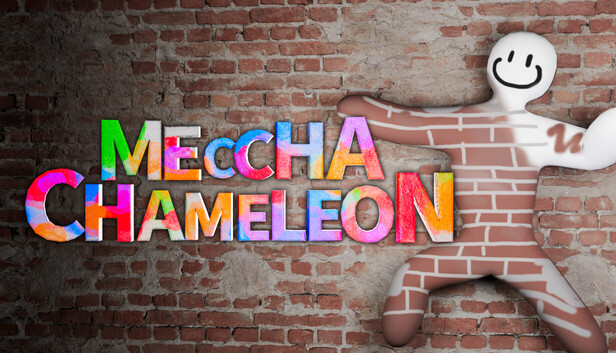
Meccha Chameleon is a multiplayer hide-and-seek game that exploded across social media in June 2026. What started as a small indie game quickly became a source of memes, clips, and viral discussions thanks to its unusual gameplay. Players paint their characters to blend into the environment, creating moments that often leave viewers wondering how someone could remain hidden in plain sight.
The game’s popularity led to the creation of the “Meccha Chameleon” meme and online subculture, where players share unbelievable camouflage tricks, failed searches, and creative hiding spots. Many internet users compare the experience to a mix of Prop Hunt, camouflage challenges, and classic hide-and-seek. The game’s rapid growth turned it into one of the biggest gaming trends of 2026.
What Does Meccha Chameleon Mean?
Meccha Chameleon is a hide-and-seek game where players control a white character that can be painted to match nearby objects and surfaces. The goal is to disappear into the environment so effectively that seekers walk right past without noticing.
The word “Meccha” (めっちゃ) is Japanese slang that roughly means “very” or “extremely.” Combined with “Chameleon,” the title refers to the ability to blend perfectly into surroundings. The name reflects the game’s core mechanic: becoming almost invisible through camouflage.
Origin of Meccha Chameleon
Meccha Chameleon was released on Steam in June 2026. The game allows players to paint their bodies using colors sampled directly from the map. Hiders then strike poses and position themselves among furniture, walls, decorations, and other objects while seekers attempt to find them before time runs out.
Unlike traditional Prop Hunt games, players are not transformed into objects. Instead, they rely on painting skills, positioning, and visual deception. This simple concept created countless funny moments that spread rapidly on TikTok, X, YouTube Shorts, Reddit, and other social platforms.
How It Became a Meme
Meccha Chameleon became a meme because viewers repeatedly failed to spot players who were hiding in plain sight. Viral clips often challenge audiences to find the hidden player before the reveal.
Many videos follow a familiar format:
- The camera slowly scans a room.
- Viewers think nobody is hidden there.
- The hidden player suddenly moves.
- Comments fill with people saying they never saw them.
These clips created a community built around testing observation skills and sharing impossible-looking camouflage techniques.
Hiding Is For Amateurs Trend
One of the most popular Meccha Chameleon trends involved players doing the opposite of what the game encourages. Instead of hiding, some players simply walked around openly while pretending to be seekers.
A viral example showed a player painting themselves white and casually moving around the map without attempting to blend in. Other players ignored them because they assumed anyone standing in plain sight could not possibly be a hider. The clip became widely shared as an example of psychological misdirection and “hiding in plain sight.”
Why People Love the Meme
The Meccha Chameleon meme became popular because it combines humor, creativity, and visual puzzles. Every clip challenges viewers to prove their observation skills.
Fans enjoy:
- Trying to find hidden players before the reveal.
- Watching incredibly detailed camouflage work.
- Sharing clips where seekers miss obvious hiding spots.
- Testing how easily people can be tricked by visual information.
- Creating increasingly absurd hiding strategies.
The game’s design rewards creativity more than quick reflexes, which makes every match feel different.
Meccha Chameleon’s Internet Impact
Within weeks of release, Meccha Chameleon became one of the most talked-about indie games online. Millions of players joined the game, while clips regularly appeared across gaming communities and social media feeds. The combination of simple rules and endless creative possibilities helped the game build a strong meme culture almost immediately.
| Topic | Details |
|---|---|
| Name | Meccha Chameleon |
| Type | Multiplayer hide-and-seek game |
| Release Date | June 2026 |
| Developer Concept | Players paint themselves to blend into the environment |
| Main Goal | Hide from seekers using camouflage and positioning |
| Meaning of “Meccha” | Japanese slang meaning “very” or “extremely” |
| Why It Went Viral | Funny camouflage clips and impossible-to-spot hiding places |
| Popular Meme Theme | Viewers trying to find hidden players before the reveal |
| Notable Trend | “Hiding Is For Amateurs” strategy where players stay visible |
| Common Comparisons | Prop Hunt, camouflage challenges, hide-and-seek |
| Primary Platforms | Steam, TikTok, YouTube Shorts, X, Reddit |
The word Meccha is Japanese slang meaning “very” or “extremely.” Combined with Chameleon it refers to the game’s focus on extreme camouflage.
Meccha Chameleon was released on Steam in June 2026 and quickly gained popularity through social media clips and livestreams.
Unlike Prop Hunt, players do not transform into objects. Instead, they use paint and positioning to blend into the environment while remaining in their normal character form.