
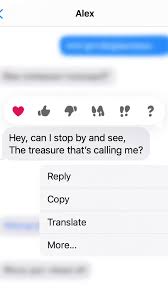
Texts To Song Trend is one of the most creative viral trends of 2026, blending everyday conversations with AI-generated music. What started as a humorous experiment quickly turned into a global phenomenon, showcasing how artificial intelligence is reshaping internet culture.
What Is the Texts To Song Trend?
The Texts To Song Trend (also known as the Text Message AI Song Trend) involves turning real text messages—often funny, awkward, or emotional into full songs using AI tools. These songs can be generated in various genres such as gospel, emo, rap, or reggae, depending on the creator’s preference.
Creators typically take screenshots of chats with friends, family, or partners and transform them into catchy, often hilarious musical tracks.
Origin of the Trend
The trend began on April 11, 2026, when a TikTok user converted her daughter’s text messages about wanting Starbucks into an emo-style song. The video went viral, gaining millions of views within weeks and inspiring others to try the same concept.
This simple yet relatable idea sparked a wave of creativity across TikTok.
How the Trend Works
The process behind the trend is surprisingly simple and accessible:
- Users copy text conversations
- Paste them into AI music tools (like Suno)
- Select a genre and style
- Generate a song
- Sync it with chat screenshots using video editors
This ease of creation is one of the main reasons the trend spread so rapidly.
Why It Went Viral
Several factors contributed to the massive popularity of this trend:
- Relatability: Everyone has funny or dramatic text conversations, making the content highly shareable.
- Humor & Creativity: Turning mundane chats into dramatic songs creates unexpected comedy.
- AI Accessibility: Modern AI tools allow anyone without musical skills to create songs instantly.
- Emotional Expression: Some users use the trend to share personal stories, including breakups or friendships, in a creative way.
Also Read: Elmo Fire Meme Origin and Meaning Explained
Spread Across TikTok
After the original viral video, thousands of creators joined the trend:
- Family group chats turned into gospel songs
- Friends’ conversations adapted into comedic tracks
- Relationship texts transformed into dramatic music
Many videos quickly gained millions of views, showing how fast the trend spread within weeks.
| Info | Details |
|---|---|
| Name | Texts To Song Trend |
| Also Known As | Text Message AI Song Trend |
| Origin Date | April 11, 2026 |
| Platform | TikTok |
| Original Creator | @anotherdayatthestoddards |
| Concept | Turning text messages into AI-generated songs |
| Tools Used | AI music generators (e.g., Suno), video editors like CapCut |
| Genres Used | Emo, Gospel, Rap, Reggae, etc. |
| Why Viral | Relatable, humorous, easy to create |
| Content Type | Short-form AI music videos |
| Status | Active (2026) |
Cultural Impact
The Texts To Song Trend highlights a major shift in digital culture:
- AI is becoming a tool for entertainment, not just productivity
- Everyday content is now transformed into creative media
- Personal communication is evolving into shareable storytelling
It also reflects how TikTok continues to drive innovation in viral content formats.
Also Read: He Can’t Keep Getting Away With This Meme Meaning and Origin
Criticism and Concerns
Despite its popularity, the trend has raised some concerns:
- Sharing private conversations publicly
- Ethical questions around AI-generated content
- Potential misuse of personal messages
Still, for many users, the trend remains a fun and harmless form of creative expression.
Texts To Song Trend is a viral social media trend where people convert real text conversations into AI-generated songs. These songs are often humorous, dramatic, or emotional and are widely shared on platforms like TikTok.
The trend began in April 2026 when a TikTok user (@anotherdayatthestoddards) turned a casual text conversation into an emo-style AI song, which quickly went viral.
The trend is popular because it combines humor, relatability, and creativity. Anyone can turn everyday conversations into entertaining songs without needing musical skills.
Yes, but users should be careful about sharing private or sensitive conversations. Always get permission before using someone else’s messages.