
Warning: This article contains major spoilers for The Uprising (2026).
Paul Greengrass’ The Uprising takes audiences back to England in 1381, during one of the most famous rebellions in medieval English history. Andrew Garfield plays a grieving farmer known only as Ploughman, a fictional character who becomes involved in the Peasants’ Revolt after standing up to brutal tax collectors.
At first, the film appears to be a grim historical drama about ordinary people challenging an unfair system. The story brings Ploughman together with real historical figures such as Wat Tyler and John Ball as the rebellion grows and eventually reaches London.
But the final moments reveal that the movie has another idea in mind. After the rebellion is crushed, Ploughman disappears into the forest and later returns wearing a green hood, attacking the king’s party and stealing the royal crown.
So, is Ploughman supposed to be Robin Hood? The movie never actually says his name is Robin Hood, but the ending makes the connection very clear. Rather than presenting a conventional Robin Hood adventure, The Uprising imagines how a fictional survivor of the 1381 rebellion could have become the inspiration for the legend.
What Is The Uprising About?
The film is set shortly after the Black Death has devastated England. With the country still suffering from the effects of the plague, the government needs money to support its war with France. The ruling council therefore imposes heavy taxation on ordinary people.
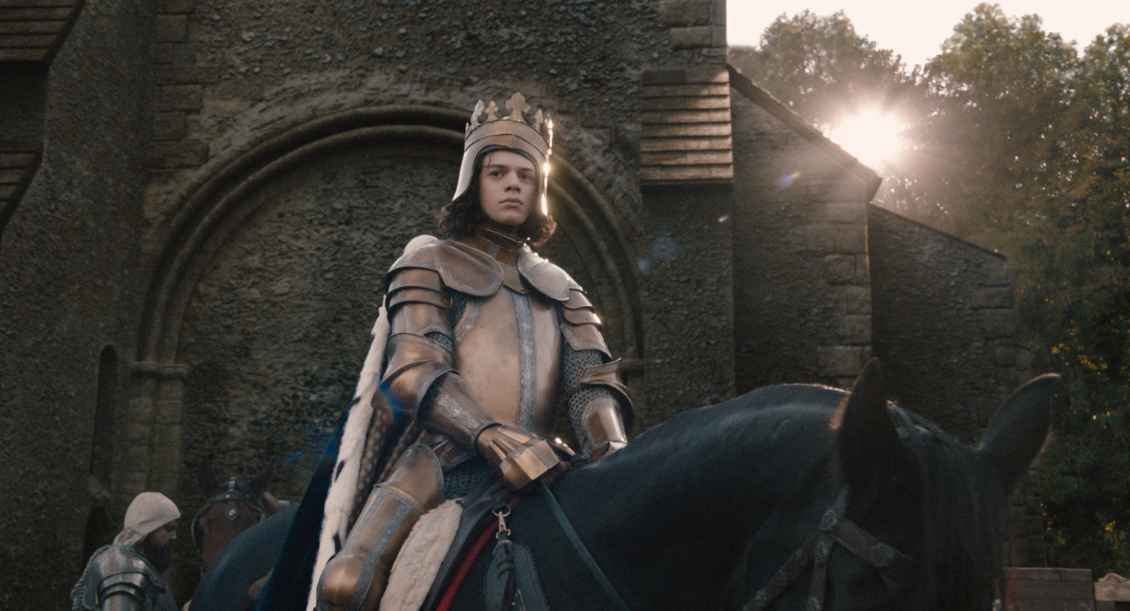
King Richard II is only 14 years old and is surrounded by advisers who claim they are protecting the kingdom. Outside the royal court, however, the new taxes place even more pressure on farmers and workers already struggling to survive.
Ploughman has already suffered a devastating personal loss. His wife and child have died during the plague, but the authorities still expect taxes to be paid on their behalf. Matters become even worse when tax collectors abuse villagers while trying to determine who should be taxed.
Ploughman finally refuses to tolerate what he sees. He attacks the tax collectors and soldiers, unintentionally turning a personal act of defiance into the beginning of a much larger rebellion.
Who Is Ploughman?
Ploughman is not a historical person from the 1381 Peasants’ Revolt. He is the film’s fictional central character, created to give the audience an ordinary farmer through whom the rebellion can be experienced.
His name is important because he does not introduce himself through a family name or noble title. When asked who he is, he identifies himself through his work. He is simply a ploughman.
This makes him different from the powerful men around him. The king has a title. The bishops have authority. The wealthy have land and influence. Ploughman has only his work and his sense of right and wrong.
That simplicity is also what makes his transformation in the final act so important. He begins the story as a man who wants to protect his family and neighbors. He does not initially set out to become a revolutionary or an outlaw.
Also Read: A Love Other Than Yours Episode 2 Recap and Ending Explained
How Does the Rebellion Grow?
After Ploughman strikes back against the authorities, unrest spreads beyond his village. Other people join the uprising because they are angry about taxation, poverty and the way the ruling class treats ordinary citizens.
Ploughman eventually joins forces with Wat Tyler, a former soldier, and John Ball, a radical priest. Together, they become part of a movement that marches toward London in the hope of speaking directly with King Richard II.
The rebels believe that the young king may listen to them if he understands what his advisers are doing in his name. Their demands include changes to the feudal system and punishment for members of the king’s council.
For a brief moment, it appears that peaceful change may actually be possible.
Does King Richard II Agree to the Rebels’ Demands?
Yes, at least temporarily.
Richard eventually agrees to meet the rebels. He listens to their demands and promises protection from prosecution for taking part in the uprising. He also allows them to enter the Tower of London and deal with members of his council.
More importantly, Richard presents Ploughman with an unexpected offer. He asks for the names of Ploughman’s companions so that they can be recorded as “Free Men,” freeing them from the control of feudal lords.
Ploughman is impressed by the young king. He believes Richard may genuinely want to help ordinary people.
That trust becomes one of the film’s most painful turning points.
Why Does the Rebellion Fall Apart?
The rebels gradually lose control of their own movement. What began as a fight against injustice becomes increasingly violent.
Some of the rebels begin killing and looting. Ploughman, Wat Tyler and John Ball struggle to control the people following them.
This is important because The Uprising does not portray the rebellion as a simple battle between good people and evil rulers. The oppressed can also become violent once anger takes over.
Ploughman becomes increasingly uncomfortable with what the movement has become. He wanted justice, but the uprising is turning into something much harder to control.
What Happens to Wat Tyler and John Ball?
The rebellion ultimately falls into a trap set by King Richard’s forces.
The rebels are persuaded to give up their weapons, believing that another peaceful meeting with the king is possible. Instead, Richard’s men turn against them.
Wat Tyler and John Ball are killed, while much of the rebel movement is destroyed. The documents that promised freedom to the rebels are also burned, showing that Richard’s earlier promises were worthless once the immediate threat had passed.
Ploughman manages to escape with a small number of survivors.
The deaths of Tyler and Ball are especially important because they leave Ploughman almost completely alone. The movement that once seemed capable of changing England has been crushed.
Also Read: Marble Hall Murders Season 1 Episode 2 Recap and Ending Explained
Why Does Ploughman Go Into the Forest?
After escaping, Ploughman returns to his old home, but there is little left for him. His former life has been destroyed, and the rebellion has failed.
He eventually retreats into the woods with other surviving rebels.
The forest represents a complete break from the world he knew. Earlier, Ploughman believed that justice could be achieved by appealing to the king. After Richard’s betrayal, he no longer trusts the system he once respected.
His transformation is therefore not simply about becoming a criminal. It is about losing faith in the rules of the society that failed him.
Is Ploughman Actually Robin Hood?
The movie strongly implies it, but it never directly says that Ploughman is Robin Hood.
One year after the rebellion, King Richard and his mother encounter Ploughman and his surviving men in Sherwood Forest. Ploughman is now dressed in green and has become an outlaw living outside the authority of the crown.
His men attack the king’s guards, and Ploughman confronts Richard himself. He threatens the king and tells him that he will live in fear for the rest of his life.
Ploughman then steals the royal crown before disappearing into the forest.
These details are unmistakable Robin Hood imagery: a man living in the forest, wearing green, attacking powerful figures and taking from the wealthy ruling class.
However, the film deliberately avoids having anyone call him “Robin Hood.” The connection is therefore presented as an origin story or reinterpretation rather than a claim that this is the historically proven identity of Robin Hood.
Also Read: The Last Photograph Review and Ending Explained
What Does the Robin Hood Ending Mean?
The ending changes the meaning of everything that came before it.
Ploughman fails to defeat the king. The rebellion fails. Wat Tyler and John Ball are dead. The political system survives.
But Ploughman himself survives.
That distinction matters. The film suggests that a rebellion can fail as a political event while still creating something that lasts longer than the rebellion itself: a legend.
Ploughman begins the story believing that ordinary people can appeal to the king for justice. By the end, he has learned that the system may never give them the justice they want. Instead of leading another huge army toward London, he chooses a different kind of resistance from the forest.
This is where the character begins to resemble the traditional Robin Hood figure. He is no longer trying to become part of the system. He is now operating outside it.
Why Is Ploughman’s Transformation Important?
The biggest change in Ploughman is moral rather than physical.
At the beginning, he is reluctant to use violence. His first act of rebellion happens because he cannot stand by while innocent people are abused.
As the uprising becomes more violent, he becomes increasingly troubled by what his actions have unleashed. Yet the king’s betrayal ultimately pushes him in the opposite direction.
By the ending, Ploughman is no longer the same man who wanted to speak peacefully with Richard II.
He has lost his family, his home, his friends and his faith in the king. The man who once wanted justice through the law has become an outlaw who operates beyond the law.
That is why the final scene works as a symbolic birth of the Robin Hood legend. The Robin Hood-like figure is created not because Ploughman wins, but because he loses almost everything and refuses to surrender.
What Is Historical and What Is Fictional?
The Uprising is inspired by the real Peasants’ Revolt of 1381, but it should not be treated as a completely accurate retelling of those events.
Wat Tyler and John Ball were real figures connected to the revolt, and King Richard II really did meet the rebels during the uprising. The film also draws on the real social tensions created by taxation, the aftermath of the Black Death and England’s ongoing wars.
Ploughman, however, is fictional. The film uses him as an imagined ordinary farmer who can stand in for the countless people whose names were never preserved in historical records.
The final Robin Hood connection is also a creative invention. While Robin Hood is a much older English legend with a complicated history, there is no historical evidence proving that the real Peasants’ Revolt leader was secretly Robin Hood.
In other words, the film uses real history as its foundation and then builds a legend on top of it.
Also Read: The Walking Dead: Dead City Season 3 Recap and Ending Explained
Is The Uprising a Robin Hood Origin Story?
Yes, in spirit, but not as a literal historical biography.
The film’s final sequence clearly positions Ploughman as a Robin Hood-like figure. The forest, green clothing, outlaw band and confrontation with the king all point toward the famous legend.
However, the movie never explicitly confirms that Ploughman is the historical Robin Hood. The connection works best as a fictional interpretation of how a Robin Hood-type legend could have emerged from the social unrest of medieval England.
So the safest interpretation is that The Uprising imagines a possible fictional origin for the Robin Hood myth rather than claiming that Ploughman was historically the real Robin Hood.
The Uprising Main Information
| Category | Details |
|---|---|
| Title | The Uprising |
| Year | 2026 |
| Director | Paul Greengrass |
| Lead Actor | Andrew Garfield as Ploughman |
| Key Historical Figures | King Richard II, Wat Tyler and John Ball |
| Setting | England in 1381 |
| Historical Event | The Peasants’ Revolt of 1381 |
| Ploughman | A fictional farmer who becomes a rebel leader |
| Ending | Ploughman survives, retreats to the forest and becomes an outlaw figure |
| Robin Hood Connection | The ending strongly implies that Ploughman becomes the inspiration for the Robin Hood legend |
The movie strongly implies that Ploughman becomes the inspiration for the Robin Hood legend, but it never directly confirms that he is Robin Hood.
No. Ploughman survives the destruction of the rebellion and escapes with other rebels before eventually living in the forest.
John Ball is killed during the events surrounding the destruction of the rebellion. Historically, the real John Ball was captured and executed later in 1381.
The movie is inspired by the real Peasants’ Revolt of 1381, but much of the story is fictionalized. Ploughman is a fictional character created for the film.